
 |
|
|
|
| |
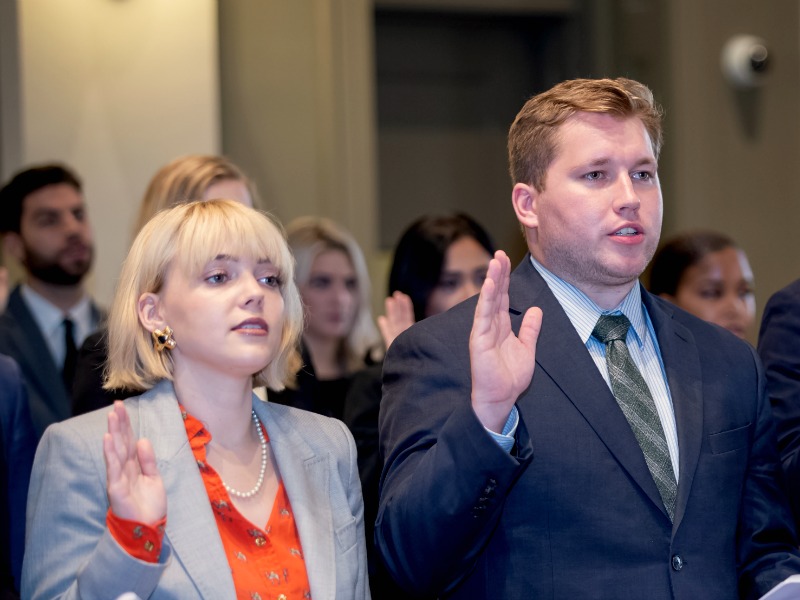
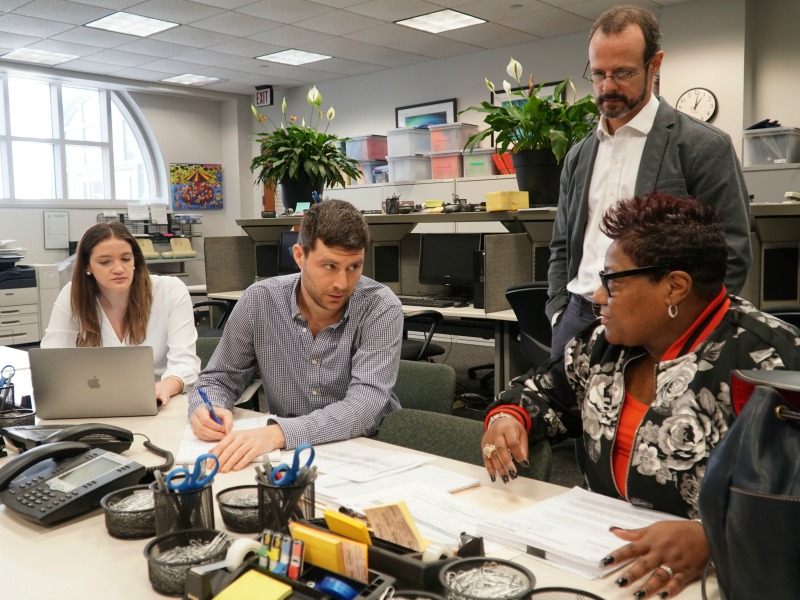
Tulane Law School strives to create opportunities that enhance our students' practical skillsets in order to better prepare them for their jobs following law school. Through partnerships with local legal professionals, alumni, employers and law school faculty, Tulane Law works to supplement the classroom experience with programs such as Intersession "Boot Camp", externships, judicial clerkships and pro bono opportunities.
|
|
|
| |
| Course Description | | |
This seminar explores the origins and doctrines of tort law and the wider impact of the subject on society and social policy from a comparative perspective. In the first year of study, students have covered intentional torts, negligence, and strict liability, and the gradual evolution of these concepts over time. The material reflects traditional common law approaches found across the United States and may have included the occasional reference to the position under the Louisiana Civil Code. This seminar discusses foreign legal systems such as England, France or Germany in order to broaden the perspective on selected topics such as the duty to rescue or protect, the liability of minors or actors with limited physical or mental capacities, contributory/comparative negligence, defamation, the protection of the private sphere, the liability of public authorities, products liability, the level of damages, or (more generally) the functions of tort law in society and the interaction between tort law and systems of social security. Procedural aspects such as the jury system and selected rules of evidence will also be discussed.Students will be introduced to the basic features of French, German and English tort law in the first 4-6 classes. Projects designed to harmonize tort law across the European Union (the Draft Common Frame of Reference and the Principles of European Tort Law) will also be discussed. Teaching methods include lectures, Socratic dialogue, and wider class discussion. In addition to giving a general overview of foreign approaches to selected aspects of tort law, these classes will also introduce students to the benefits and pitfalls of comparative work and provide them with essential tools and techniques with which to pursue their own research – both in this seminar and in legal practice. This includes a survey of the most important printed and electronic sources in the field. During this first phase of the seminar, students will be asked to choose a topic for their seminar paper and to develop first drafts of an outline, a research plan, and a bibliography. A list of possible topics will be provided by the instructor. Each student will be given the opportunity to discuss the topic and possible difficulties with the instructor on an individual basis. During the second phase of the seminar, students will be asked to present their preliminary findings to the whole group. Ideally, this will include a broad comparison of common and civil law approaches to the issue, both in legislation and case law, and a description of the difficulties encountered in researching their respective topics. Class discussion will provide students with important feedback on their presentation and help improve the substance of their work. Knowledge of foreign languages is not required. Grades are based on the research paper only, which will meet the criteria of the upper-class writing requirement. (3 credits)
| | Upcoming Semester Offered | | | Not Currently Scheduled | | | | | | | | | | | | | | | | | | | | | |
|
|
|
| |
|
|
 |
Office of Academic Services
Weinmann Hall, Suite 204
6329 Freret Street
New Orleans, LA 70118 tel 504.865.5935 fax 504.862.8373 ctimmons@tulane.edu
Office of Admission
Weinmann Hall, Suite 203
6329 Freret Street
New Orleans, LA 70118 tel 504.865.5930 fax 504.865.6710 admissions@law.tulane.edu
 
|
 |
| |

|
|
|